Quroca
A highly mobile robotic platform for equipment condition monitoring and early warning.
About the project
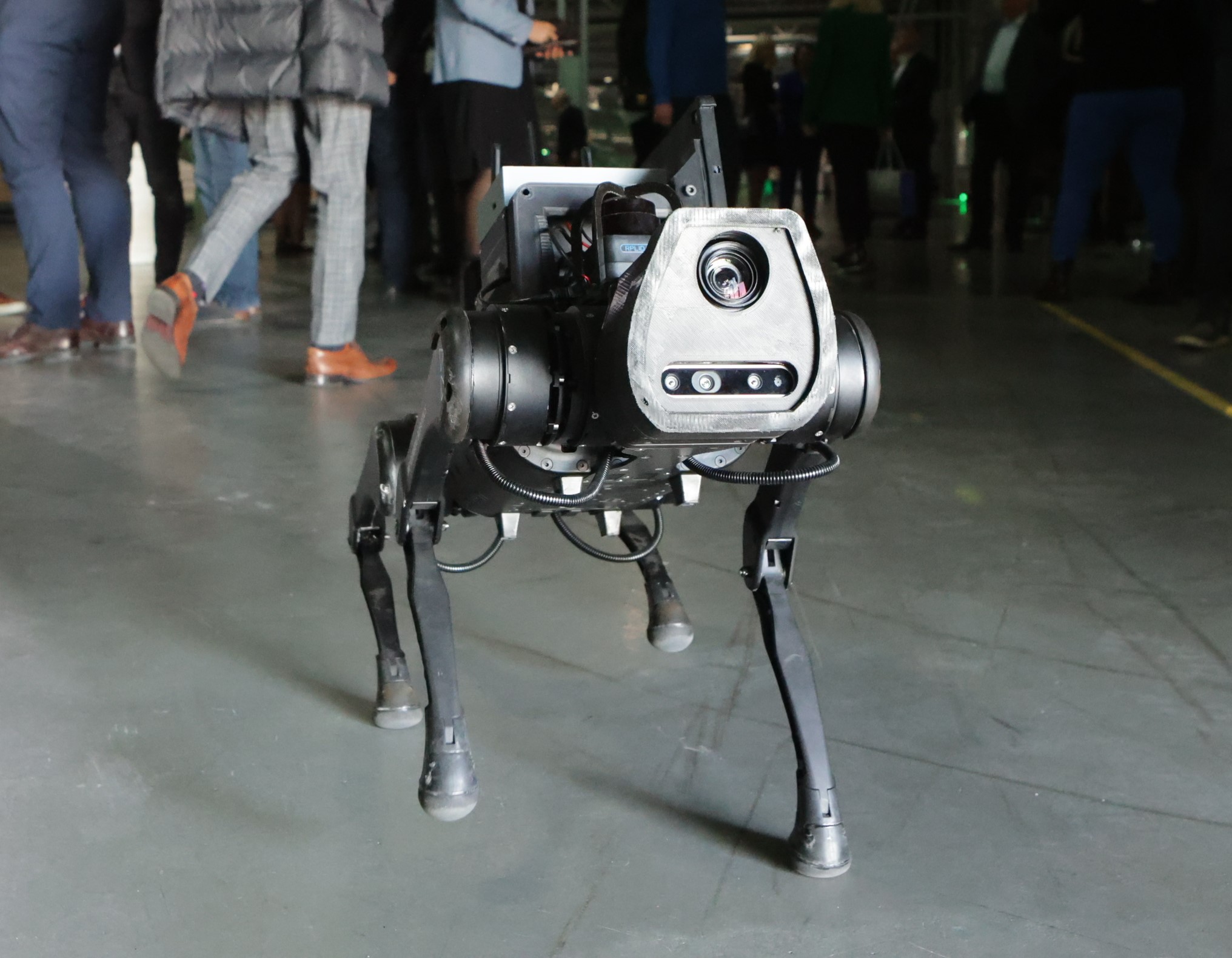
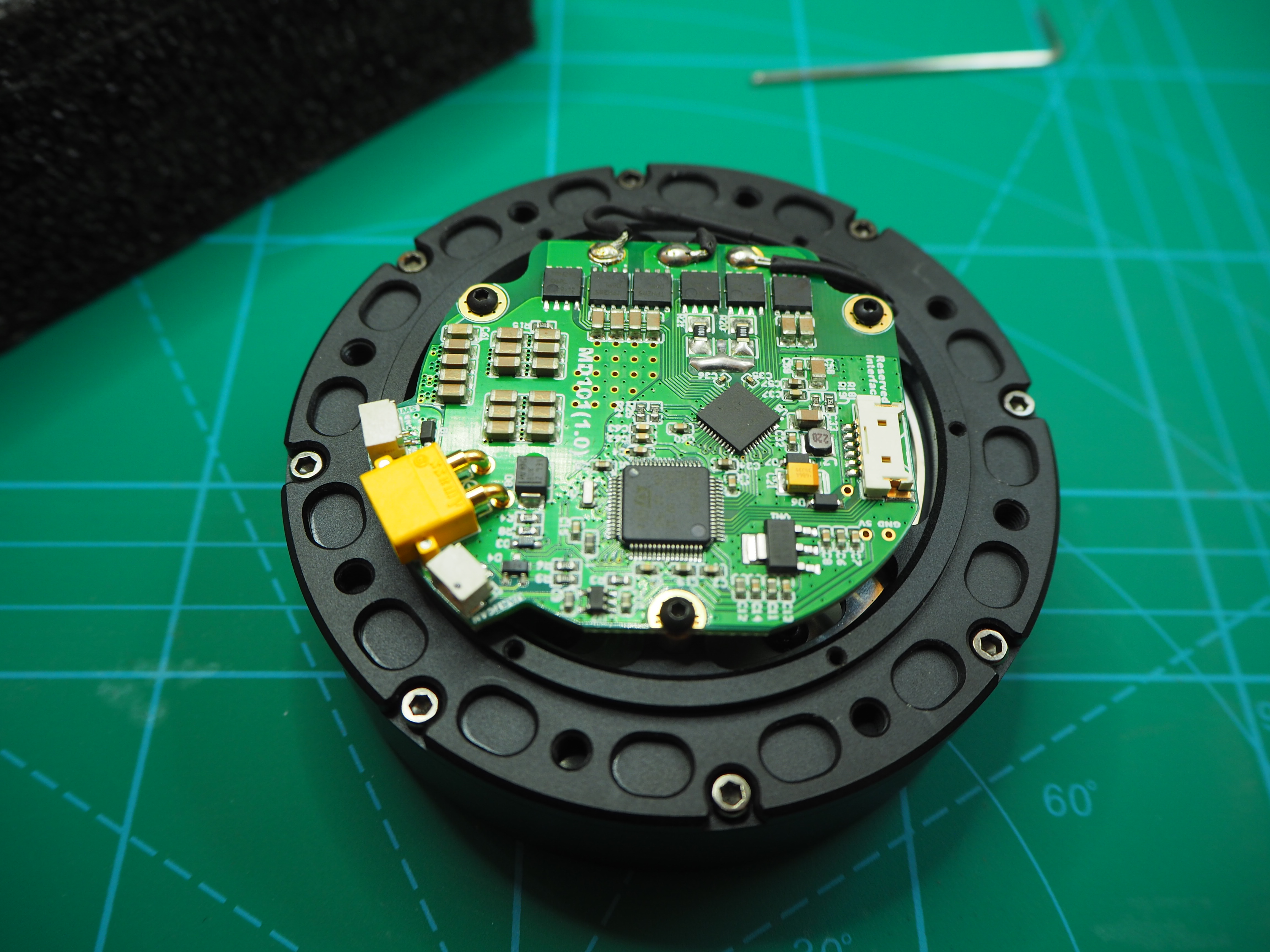
Quroca is an applied robotics project that developed the quadruped robot Q and its environmental perception and autonomous navigation system. The Tavo robotas team, also working under the Heydekrug Robotics name, brought together mechanical, electronic and software solutions. The aim was to apply mobile robotics to energy, industrial and critical infrastructure monitoring: collecting environmental and equipment data, performing repetitive inspections and reducing the need for people to enter hard-to-reach or potentially hazardous locations. The quadruped platform provided a basis for exploring locomotion and navigation both indoors and outdoors.
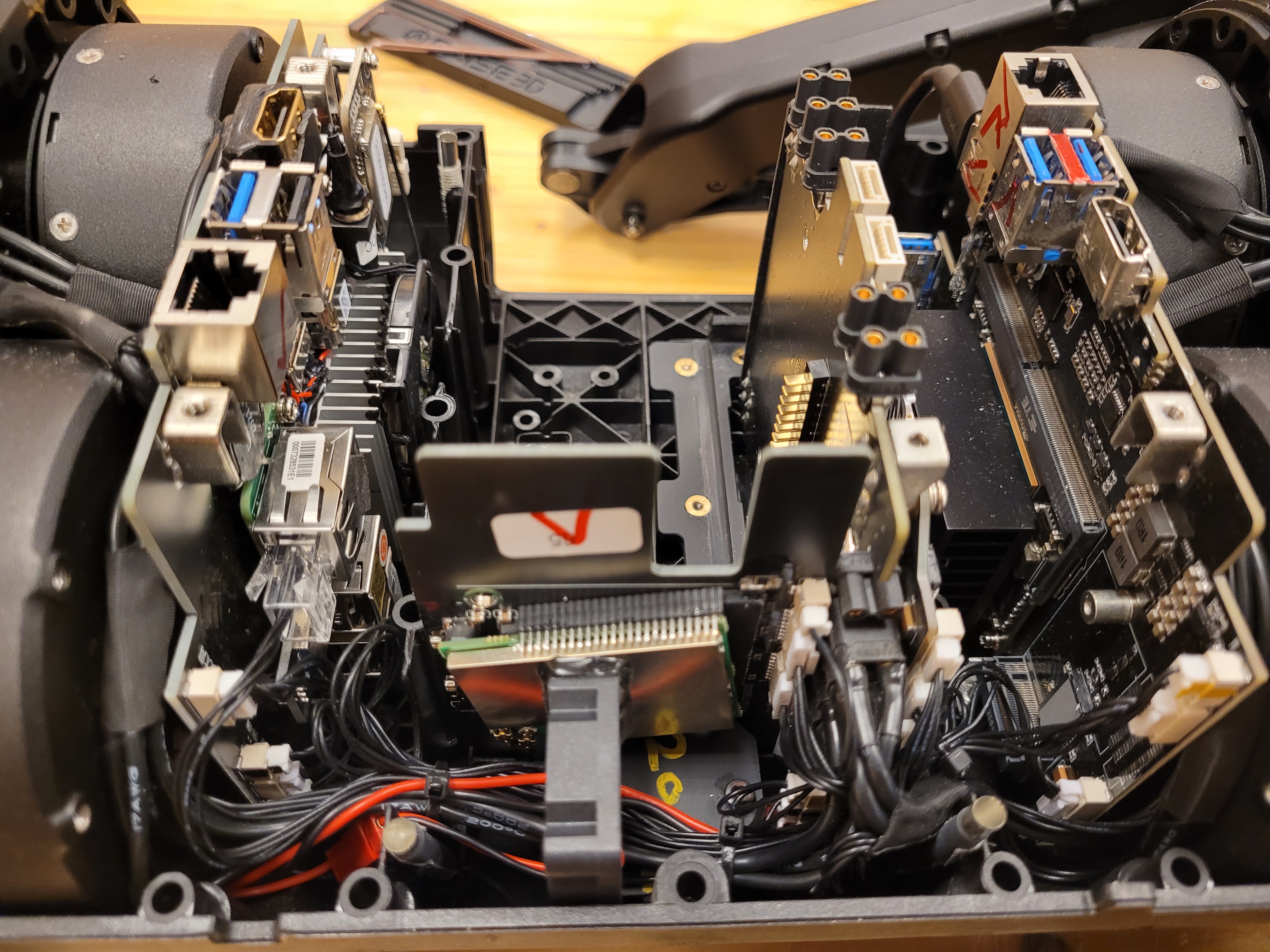
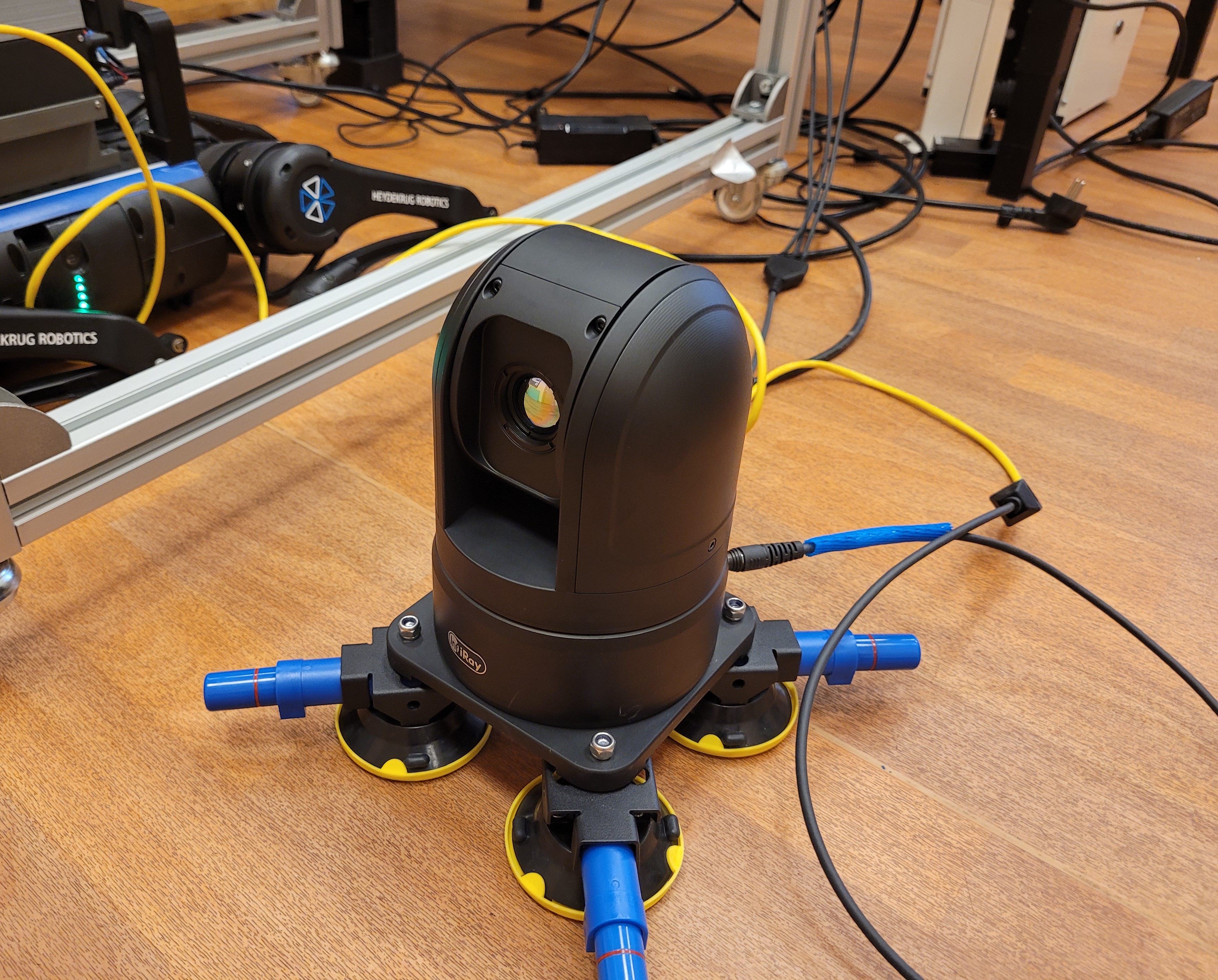
The system is built around a modular ROS architecture connecting robot control, sensor processing, navigation and operator communications. LiDAR, a depth camera and inertial sensors provide information about the geometry of the surroundings and the robot’s position. SLAM builds an environmental map, while localisation and planning algorithms support navigation and obstacle avoidance. The technical design includes GMapping and AMCL, A* route planning and DWA local obstacle avoidance. Locomotion control was developed using kinematic models, gait algorithms and Gazebo simulations. RTK GNSS positioning equipment and a camera with 13× optical zoom were also integrated into the platform; video and telemetry are transmitted to a remote operator.
From technology trials to infrastructure monitoring
Presentations prepared for the EPSO-G group, LITGRID and NordBalt interconnector specialists explored Q’s potential for inspecting energy facilities. The technology validation plan covered visual and thermal data collection, electromagnetic environment measurements, equipment condition assessment and anomaly detection. Particular attention went to protecting electronics against electromagnetic interference, protective materials, communications reliability and safe responses to faults. An automatic battery exchange station was designed to reduce downtime and maintain communications during battery changes. This work focused on validating the technology’s suitability: the proposed inspection functions were to be evaluated through trials in the relevant environment.
Q was tested and presented in public spaces and at events. A TV3 report in 2021 showed trials in Šilutė and explained the robot’s environmental perception. In 2022, it accompanied visitors at the opening of the Inno Line factory, and in 2023 it helped represent the Šilutė region at the Balttour international exhibition in Latvia. These demonstrations brought quadruped robotics beyond the laboratory. Quroca’s central aim is to combine locomotion, environmental perception and data collection in a platform that can be adapted to specific practical tasks.